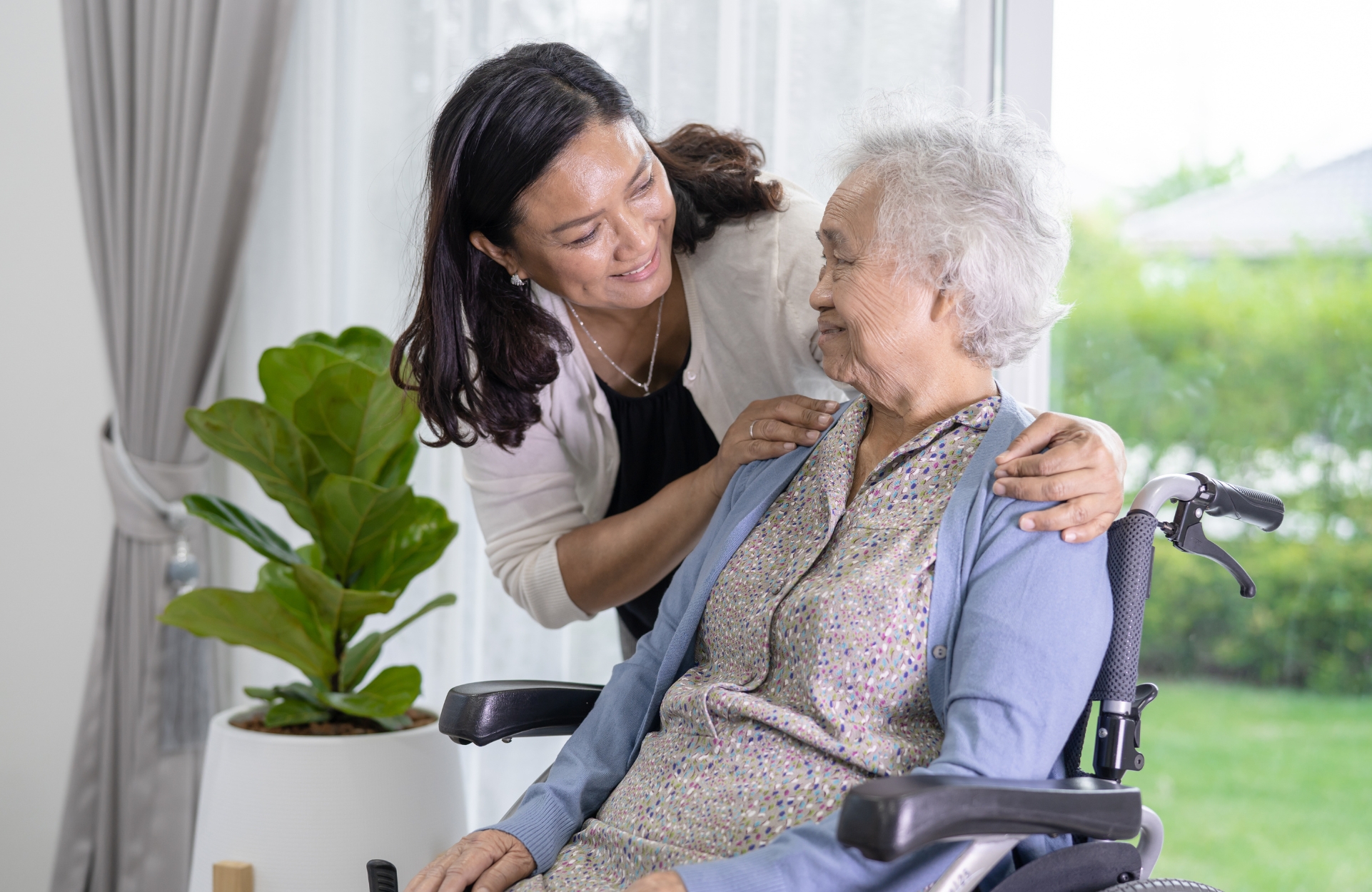
Caring for a loved one with a chronic illness is an act of profound love and dedication. Whether supporting someone with Alzheimer’s disease, heart failure, Parkinson’s disease, or any other chronic, progressive condition, caregiving often brings a mix of rewards and challenges.
Among the most difficult emotions caregivers face is guilt. This guilt can stem from various sources, including feelings of inadequacy, frustration, or even resentment. While these emotions are common, it’s essential to address them to ensure both the caregiver’s and the loved one’s well-being.
Why Caregiver Guilt Happens
Caregiver guilt often arises because of the unrealistic expectations caregivers set for themselves. Many feel they must do everything perfectly—from managing medical appointments to providing emotional support—all while maintaining other aspects of their lives. Here are some common triggers of guilt:
- Feeling you’re not doing enough: Caregivers may believe they should always do more, even when they’re already stretched thin.
- Taking time for yourself: Spending time away from caregiving, even for essential self-care, can lead to feelings of selfishness.
- Resentment or frustration: Feeling overwhelmed or irritable is natural, but these emotions can make caregivers feel like they’re failing their loved ones.
- Considering long-term care options: Transitioning a loved one to professional care can trigger guilt, as caregivers may feel they’re abandoning their responsibilities.
The Importance of Forgiving Yourself
Unchecked guilt can bring about emotional and physical side effects, including stress and anxiety, emotional burnout, sleep issues, or a weakened immune function. Acknowledging guilt as a natural part of caregiving is the first step toward mitigating its impact. Perhaps the most important step in overcoming caregiver guilt is learning to forgive yourself. Caregiving is a challenging role, and feelings of guilt don’t negate the love and effort you put into supporting your loved one.
Knowing When to Consider Professional Care
There may come a time when your loved one needs more care than you can provide at home. Recognizing this moment is not a failure but an acknowledgment of their needs and your limits. Assisted living, memory care, skilled nursing care, and respite care offer professional support and tailored environments to ensure your loved one’s safety and quality of life.
Different Types of Professional Care
Assisted living is designed for individuals who need help with daily activities, such as bathing, dressing, or medication management, but do not require intensive medical care. It often provides a community-like environment with social activities and a focus on maintaining independence as much as possible. While assisted living may accommodate residents with mild cognitive impairment, it is not specifically designed for those with advanced dementia or other highly complex needs.
Memory care specializes in caring for individuals with Alzheimer’s disease and other forms of dementia. Memory care units are equipped with enhanced security measures to prevent wandering and offer structured routines to minimize confusion. Staff is specially trained to handle the unique challenges of memory loss, and activities are tailored to engage residents cognitively and emotionally.
Skilled nursing provides higher medical care for individuals who require ongoing medical attention and daily living assistance. It caters to those with chronic illnesses, advanced conditions, or post-surgical recovery needs. Skilled nursing care is ideal for individuals with complex medical requirements that cannot be managed in other care settings.
Respite care offers short-term relief for caregivers by providing temporary care for their loved ones. Depending on the caregiver’s needs, respite care can range from a few hours to several days or weeks. It can be arranged in-home, at a care facility, or through adult day care programs. Respite care is a valuable option for caregivers who need time to rest, attend to personal matters, or simply recharge.
When Is the Right Time to Transition to Professional Care?
Consider professional care if:
- Your loved one’s safety is at risk due to wandering, falls, or difficulty managing daily tasks.
- Their medical needs become too complex to manage at home.
- You’re experiencing burnout or health issues due to the demands of caregiving.
- They require constant supervision that disrupts your ability to work or care for other family members.
Transitioning to professional care is a very personal decision based on several factors. Speaking with healthcare professionals, social workers, or support groups can help you determine the best course of action for your situation.
Moving Forward
As you navigate the caregiving journey, remind yourself that your love and commitment matter. Addressing guilt and giving yourself grace can create a healthier and more sustainable caregiving experience. Your well-being is just as important as the care you provide, and seeking balance is a gift to both you and your loved one.
If you are exploring professional care options such as assisted living, memory care, skilled nursing care, or respite care, we’re here to help. Our compassionate team offers a range of services designed to meet your loved one’s unique needs while providing you with peace of mind. Contact us to learn more about our different styles of living, and to set up a private tour.
13 comments
Comments are closed.